ما هو Dogecoin (DOGE)؟
Dogecoin هي عملة رقمية تعتمد على آلية إثبات العمل (PoW) وتستخدم خوارزمية Scrypt. أُطلقت العملة في عام 2013، مستوحاة من الميم الشهير "doge"، لتقدم نفسها كعملة رقمية مرحة وسهلة الوصول، مثالية للمعاملات الصغيرة والبقشيش عبر الإنترنت. تتمتع Dogecoin بزمن كتلة يقارب دقيقة واحدة، مع رسوم معاملات منخفضة وسرعة تأكيد مرتفعة.
ما هو السعر الحالي والقيمة السوقية والمعروض المتداول لـ Dogecoin (DOGE)؟
في 22 يناير 2026، يتم تداول Dogecoin عند حوالي $0.126180 لكل DOGE، مع معروض متداول يبلغ نحو 168,376,333,126.579102 DOGE. ويبلغ إجمالي المعروض تقريبًا 168,420,003,126.579010 DOGE، ولا يوجد حد أقصى للإصدار. تبلغ القيمة السوقية المتداولة قرابة $21,251,235,994.511738، وهي مساوية للقيمة السوقية الكاملة المخففة، ما يمثل نحو %0.65 من هيمنة السوق. تغير السعر خلال الساعة الأخيرة حوالي -%0.04، وخلال 24 ساعة +%0.97، وخلال 7 أيام -%12.55، وخلال 30 يومًا -%3.37. حجم التداول خلال 24 ساعة يبلغ حوالي $27,770,270.213032 (مصدر البيانات: المعلومات المدخلة بتاريخ 22 يناير 2026).
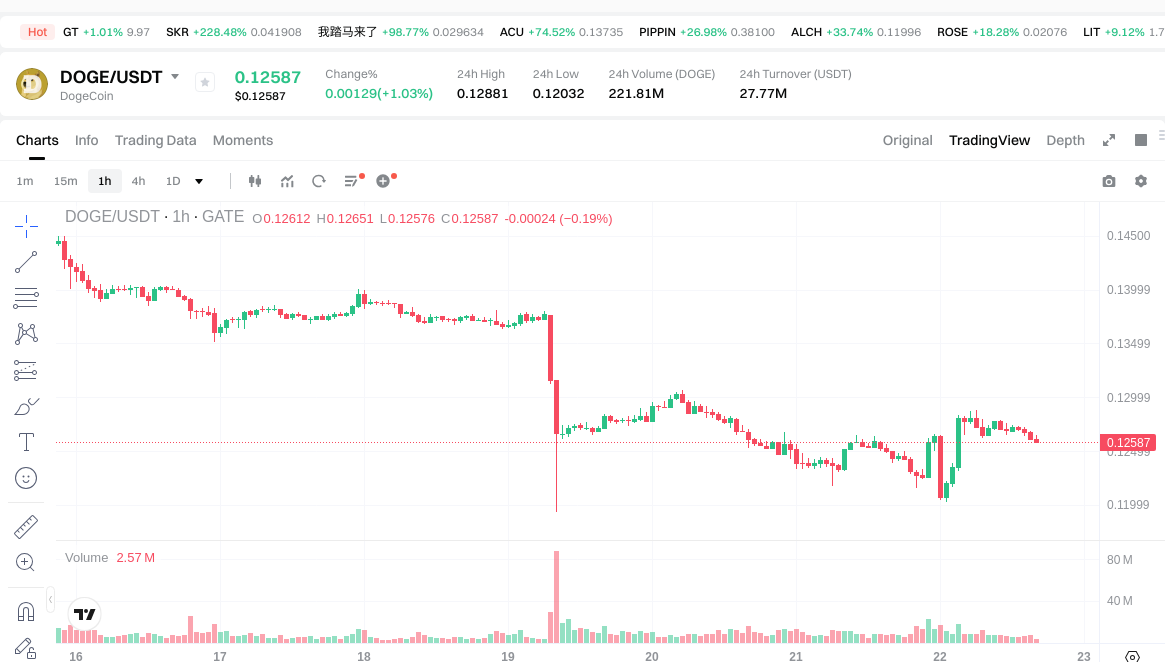
اضغط هنا للاطلاع على سعر DOGE/USDT
يتم احتساب القيمة السوقية بضرب السعر في المعروض المتداول، بينما تعكس القيمة السوقية الكاملة المخففة القيمة استنادًا إلى إجمالي المعروض. وبما أن Dogecoin ليس لها حد أقصى للمعروض، فإن الإصدار المستمر يؤثر على العلاقة بين هذه المؤشرات.
من أنشأ Dogecoin (DOGE) ومتى؟
تم تأسيس Dogecoin في ديسمبر 2013 على يد بيلي ماركوس وجاكسون بالمر، مستلهمين فكرتها من الميم المجتمعي "doge". كان هدفهما بناء ثقافة عملات رقمية أكثر ودية وتجربة دفع مناسبة للمستخدمين التقليديين. أصبح مجتمع Dogecoin في بداياته معروفًا بالبقشيش والتبرعات، بما في ذلك جمع التبرعات للأعمال الخيرية والفعاليات الرياضية، مما عزز قاعدة مستخدمين نشطة للغاية (المصدر: الموقع الرسمي لـ Dogecoin وويكيبيديا، حتى 22 يناير 2026).
كيف يعمل Dogecoin (DOGE)؟
يعتمد Dogecoin على آلية إثبات العمل (PoW)، حيث يتنافس المعدنون في حل الألغاز الحسابية للحصول على حق التحقق من الكتل وكسب مكافآت الكتل. وتعد خوارزمية Scrypt كثيفة الذاكرة وتدعم التعدين المدمج مع Litecoin، ما يتيح تقاسم قوة التعدين وتحسين الأمان. مع زمن كتلة يقارب دقيقة واحدة، يؤكد Dogecoin المعاملات بسرعة أكبر من الشبكات التي تعتمد عشر دقائق لكل كتلة. مكافأة الكتلة ثابتة عند حوالي 10,000 DOGE لكل كتلة؛ ومع عدم وجود حد أقصى للمعروض، تستمر هذه المكافأة بلا توقف. الإصدار السنوي يصل إلى عدة مليارات DOGE، ما يعني أن معدل التضخم الاسمي ينخفض تدريجيًا مع زيادة إجمالي المعروض (المصادر: توثيقات مطوري Dogecoin Core وموارد المجتمع حتى 22 يناير 2026).
مصطلحات أساسية: Scrypt هي خوارزمية تجزئة تشفيرية؛ PoW تؤمن الشبكة عبر قوة الحوسبة وتكاليف الكهرباء؛ التعدين المدمج يتيح إنتاج كتل متزامنة على سلاسل متوافقة لتعزيز الأمان والكفاءة.
كيف يمكنك استخدام Dogecoin (DOGE)؟
يُستخدم Dogecoin على نطاق واسع للبقشيش لصانعي المحتوى على المنصات الاجتماعية والمدفوعات الصغيرة بفضل رسومه المنخفضة وسرعة تأكيده—مناسب جدًا للمعاملات الدقيقة المتكررة. يمكن للتجار دمج DOGE كوسيلة دفع لتسهيل عمليات الشراء عبر الحدود للخدمات أو السلع الرقمية. كما ينظم المجتمع فعاليات جمع التبرعات والأعمال الخيرية باستخدام DOGE، مما يبرز تطبيقاته المجتمعية.
ما هي المحافظ وحلول التوسع في منظومة Dogecoin (DOGE)؟
يمكن للمستخدمين اختيار Dogecoin Core—محفظة كاملة العقدة تقوم بتحميل البلوكشين بالكامل للتحقق المباشر من المعاملات—أو استخدام محافظ جوال خفيفة توفر سهولة الاستخدام لكنها تعتمد على عقد بعيدة. لتعزيز أمان الحفظ الذاتي، يُفضل الكثيرون المحافظ الباردة (أجهزة أو مفاتيح خاصة ورقية غير متصلة بالإنترنت)، مما يقلل من مخاطر السرقة؛ بينما المحافظ الساخنة (المتصلة بالإنترنت) مناسبة للمعاملات اليومية ويجب تفعيل المصادقة الثنائية (2FA) عليها. تتيح ملحقات الدفع وبوابات التجار دمج DOGE في المواقع أو المتاجر الإلكترونية؛ وتدعم أدوات التعدين المدمج وبرمجيات التجمعات المعدنين. عند تخزين الأصول في حساب Gate، فعّل جميع إعدادات الأمان واطلع على سياسات إدارة المخاطر الخاصة بالمنصة.
مصطلحات أساسية: المفتاح الخاص هو سلسلة سرية تُستخدم لتوقيع المعاملات والتحكم في الملكية؛ محافظ التخزين البارد تحفظ المفاتيح دون اتصال لمزيد من الأمان؛ المحافظ الساخنة تبقى متصلة بالإنترنت لسهولة الاستخدام؛ المصادقة الثنائية (2FA) تتطلب رمز تحقق إضافي أثناء الدخول أو السحب.
ما هي المخاطر الرئيسية والقضايا التنظيمية المرتبطة بـ Dogecoin (DOGE)؟
تقلب الأسعار: سعر Dogecoin حساس جدًا لمعنويات السوق والسيولة، ما يؤدي إلى تقلبات حادة في الأجل القصير.
آلية التضخم: مع عدم وجود حد أقصى للمعروض ومكافآت كتل ثابتة تدفع إلى إصدار مستمر، تعتمد القيمة طويلة الأجل لـ Dogecoin أكثر على الاستخدام وليس الندرة.
التأثير الإعلامي وسردية السوق: يمكن لاتجاهات وسائل التواصل الاجتماعي ودعم المشاهير تضخيم التقلبات.
مخاطر تقنية وأمنية: انخفاض مشاركة التعدين المدمج قد يضعف أمان الشبكة ولا مركزيتها؛ كما يواجه المستخدمون مخاطر من مواقع التصيد والبرمجيات الخبيثة.
المنصات والتنظيم: ابق على اطلاع دائم بتنظيمات العملات الرقمية المحلية وسياسات الضرائب؛ وعند استخدام منصات الحفظ، فعّل ميزات الأمان وراجع سياسات فصل الأصول وإدارة المخاطر.
كيف تشتري وتخزن Dogecoin (DOGE) بأمان على Gate؟
الخطوة 1: سجل حساب Gate. انتقل إلى gate.com وسجل باستخدام بريدك الإلكتروني أو رقم هاتفك. أنشئ كلمة مرور قوية واحتفظ بها بأمان.
الخطوة 2: أكمل التحقق من الهوية وإعدادات الأمان. نفذ إجراءات KYC (أرسل الوثائق حسب المتطلبات)، فعّل المصادقة الثنائية (2FA)، وأضف قوائم السحب البيضاء.
الخطوة 3: أودع الأموال. حوّل الأصول عبر قنوات العملات التقليدية أو الإيداعات على الشبكة إلى حسابك في Gate. انتبه لشبكات الإيداع، وأوقات الوصول، والرسوم، والحدود.
الخطوة 4: نفذ أمر شراء في السوق الفوري. ابحث عن "DOGE" في صفحة التداول الفوري—اختر أمر سوق (ينفذ بسعر السوق الحالي) أو أمر محدد (حدد سعرك المفضل). أدخل الكمية، راجع الرسوم والإجمالي، ثم أرسل الأمر.
الخطوة 5: استراتيجية تخزين الأصول. للتداول قصير الأجل، احتفظ بالأصول في حسابك على Gate مع تفعيل ضوابط وتنبيهات المخاطر؛ وللاحتفاظ طويل الأجل، حوّلها إلى محفظة ذاتية الإدارة، واحتفظ بنسخة احتياطية آمنة لعبارة الاسترداد أو المفتاح الخاص، وجرب عمليات سحب صغيرة قبل تحويل مبالغ أكبر.
الخطوة 6: مراجعة الأمان المستمرة. راجع سجل دخول الحساب بانتظام وحدّث إعدادات الأمان؛ استخدم تداولات اختبارية صغيرة للتعرف على العمليات وفهم الرسوم وتقلبات السوق.
كيف يقارن Dogecoin (DOGE) مع Bitcoin (BTC)؟
نموذج المعروض: لدى Bitcoin حد أقصى للمعروض يبلغ 21 مليون عملة—يدعم سردية الانكماش؛ أما Dogecoin فلا يوجد له حد أقصى، مع مكافآت كتل ثابتة تؤدي لإصدار دائم. وبمرور الوقت، ينخفض معدل التضخم الاسمي لـ Dogecoin مع زيادة إجمالي المعروض.
آلية الإجماع والخوارزمية: كلاهما يستخدم إثبات العمل، لكن Bitcoin يعتمد SHA-256 بينما يستخدم Dogecoin خوارزمية Scrypt ويدعم التعدين المدمج مع Litecoin.
الأداء والرسوم: يتميز Dogecoin بفترة كتلة دقيقة واحدة ورسوم منخفضة—مثالي للمعاملات الدقيقة المتكررة؛ بينما Bitcoin يعتمد كتل عشر دقائق ويصلح كخزان للقيمة وتسويات كبرى.
السرد وحالات الاستخدام: يركز Dogecoin على البقشيش المجتمعي والمدفوعات السهلة؛ بينما يركز Bitcoin على مقاومة الرقابة والندرة.
الأمان والمنظومة: معدل التجزئة في Bitcoin أعلى مع أمان شبكي أكثر نضجًا؛ أما Dogecoin فيعتمد أمانه بشكل أكبر على تفاعل المجتمع ومشاركة التعدين المدمج.
ملخص Dogecoin (DOGE)
يعزز Dogecoin التوافق المجتمعي من خلال ثقافته المرحة إلى جانب المعاملات السريعة والرسوم المنخفضة. تقنيًا، يعتمد على إثبات العمل بخوارزمية Scrypt مع كتل دقيقة واحدة؛ ولا يوجد حد أقصى للمعروض مع استمرار الإصدار، ما يجعله مناسبًا للبقشيش والمعاملات الدقيقة المتكررة. راجع دائمًا البيانات المحدثة لسعر DOGE وقيمته السوقية والمعروض المتداول؛ وادرس تأثير التضخم على القيمة طويلة الأجل. إذا كنت تخطط لشراء DOGE على Gate، أكمل التحقق KYC، وادرس المخاطر بعناية، وعزز أمان حسابك؛ وللتخزين طويل الأجل، فضّل الحفظ الذاتي للمفاتيح الخاصة مع نسخ احتياطية موثوقة. ونظرًا لتقلبات السوق وتغير السرديات، ابنِ استراتيجيتك وفق قدرتك على تحمل المخاطر مع التركيز على حالات الاستخدام الواضحة وضوابط المخاطر القوية والمتابعة المستمرة للبيانات.
الأسئلة الشائعة
ما أسباب تقلب سعر Dogecoin؟
يتذبذب سعر Dogecoin بشكل رئيسي بسبب معنويات السوق ونشاط المجتمع والعوامل الكلية. تؤثر الضجة على وسائل التواصل الاجتماعي ودعم المشاهير واتجاهات سوق العملات الرقمية بشكل مباشر على ارتفاع أو انخفاض DOGE.
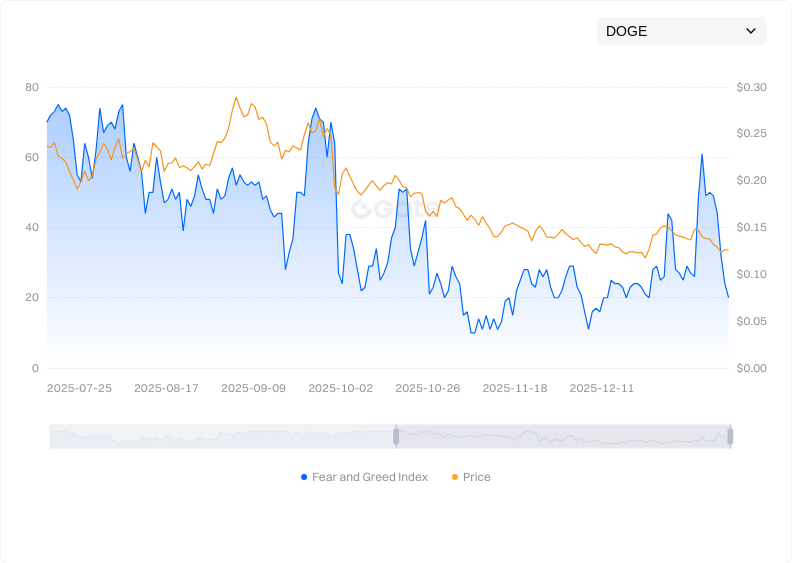
اضغط هنا للاطلاع على مؤشر الخوف والطمع لـ DOGE
يُنصح المبتدئون بفهم الأساسيات قبل التداول وتجنب ملاحقة الارتفاعات أو البيع الذعري.
أين يمكنني متابعة أسعار Dogecoin الفورية؟
توفر منصات مثل Gate وCoinMarketCap وCoinGecko وغيرها بيانات أسعار DOGE الفورية. وتقدم Gate أدوات تتبع الأسعار، ومخططات الشموع، وعمق دفتر الأوامر وغيرها، مما يسهل مراقبة الاتجاهات. قارن الأسعار عبر عدة منصات للتحقق من الدقة.
ترتبط أسعار Dogecoin بشكل كبير باتجاهات Bitcoin—فعندما يرتفع Bitcoin يتبعه DOGE غالبًا بسبب دور BTC كمعيار لسوق العملات الرقمية وتأثيره على تدفقات رأس المال ومعنويات المستثمرين. مع ذلك، غالبًا ما يظهر DOGE تقلبًا أعلى من BTC.
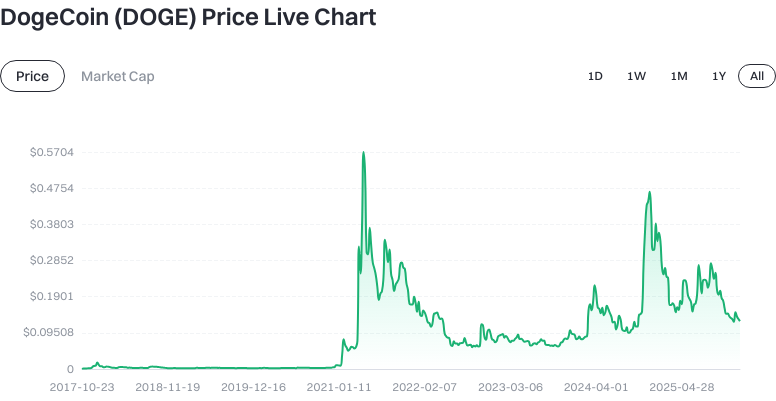
اضغط هنا للاطلاع على أحدث بيانات سوق DOGE
هل Dogecoin مناسب للاحتفاظ طويل الأجل؟
يُعتبر Dogecoin أصلًا عالي المخاطر مع تقلبات سعرية كبيرة—ولا يُنصح به كأداة استثمارية مستقرة. إذا قررت الاحتفاظ به طويلًا، استخدم فقط أموالًا فائضة وكن مستعدًا نفسيًا لتقلبات حادة. جرب التداول بمبالغ صغيرة على Gate أولًا قبل زيادة رأس المال.
كيف يمكن تحديد ما إذا كان Dogecoin مبالغًا في قيمته أم أقل من قيمته؟
يمكنك الرجوع إلى مؤشرات مثل القيمة السوقية والمعروض المتداول أو مقارنة الأسعار الحالية بالمتوسطات التاريخية للتقييم التقريبي. لكن لا يوجد معيار تقييم موحد في العملات الرقمية—حيث تتحكم ديناميكيات العرض والطلب ومعنويات السوق في الأسعار. يُنصح المبتدئون بمتابعة تحليلات الخبراء—مثلاً في قسم تحليلات السوق على Gate—لتكوين وجهة نظرهم.
مسرد Dogecoin (DOGE)
- إثبات العمل (PoW): آلية إجماع يُحل فيها المعدنون مسائل رياضية معقدة للتحقق من المعاملات وإنشاء كتل جديدة.
- التعدين: عملية يساهم فيها المعدنون بقوة الحوسبة للتحقق من معاملات الشبكة مقابل مكافآت DOGE جديدة.
- البلوكشين: سجل موزع يوثق جميع معاملات DOGE في كتل بيانات مترابطة.
- محفظة: أداة لتخزين وإدارة المفاتيح الخاصة لـ DOGE—تُستخدم لإرسال أو استقبال المعاملات.
- تأكيد المعاملات: العملية التي يجمع فيها المعدنون المعاملات في كتل للتحقق—وتتطلب عادة عدة تأكيدات.
مراجع ومصادر إضافية حول Dogecoin (DOGE)