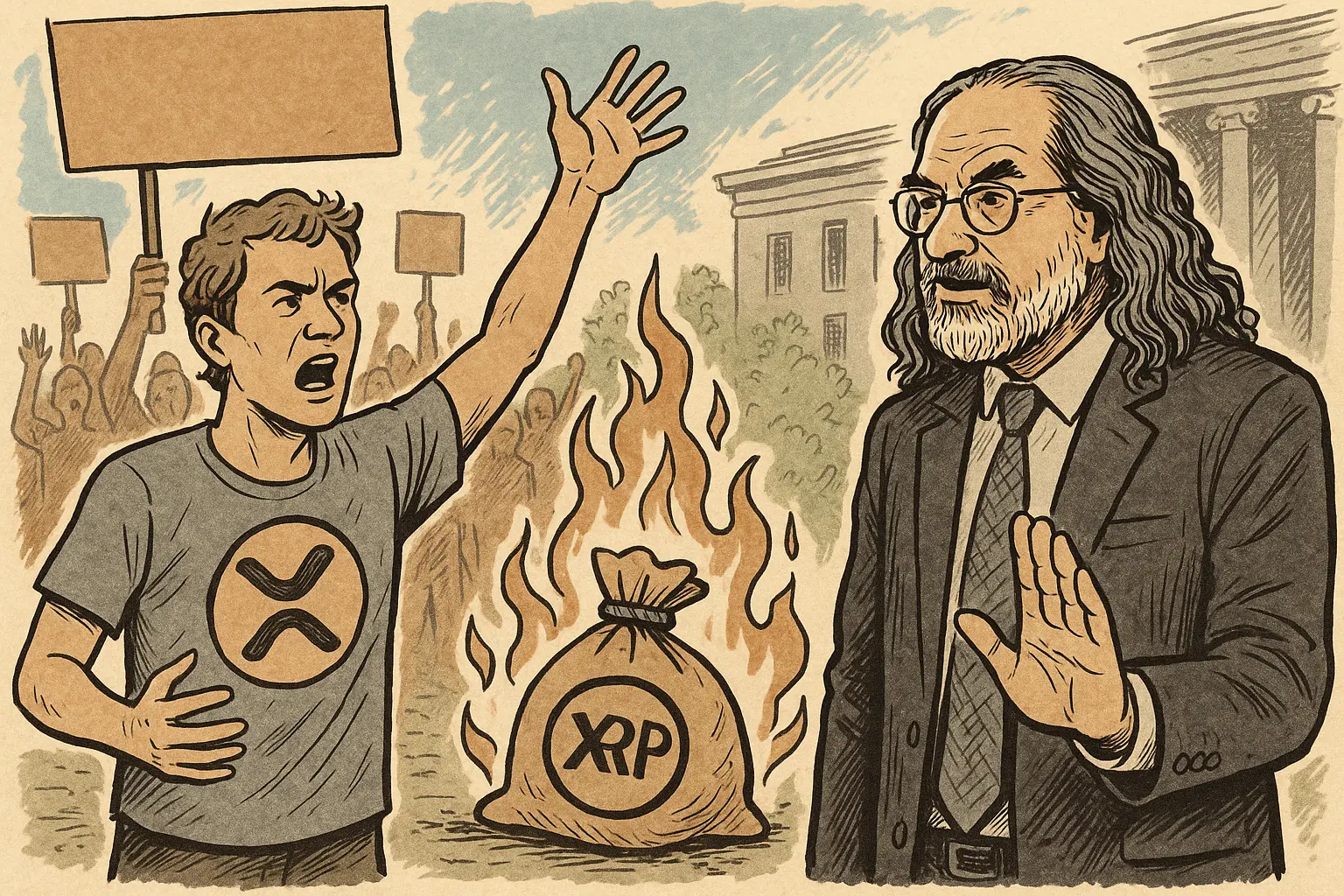
XRP weekly trading volume dropped from $22.9 billion in the last week of February to $16.6 billion last week. Community reactions to Ripple’s announcement of a $750 million stock buyback plan have sparked debates about “burning escrow tokens instead of repurchasing shares.” Ripple’s Chief Technology Officer David Schwartz responded by citing Stellar’s burn precedent, questioning the effectiveness of this suggestion.
XRP Trading Volume and ETF Outflows Signal Market Trends
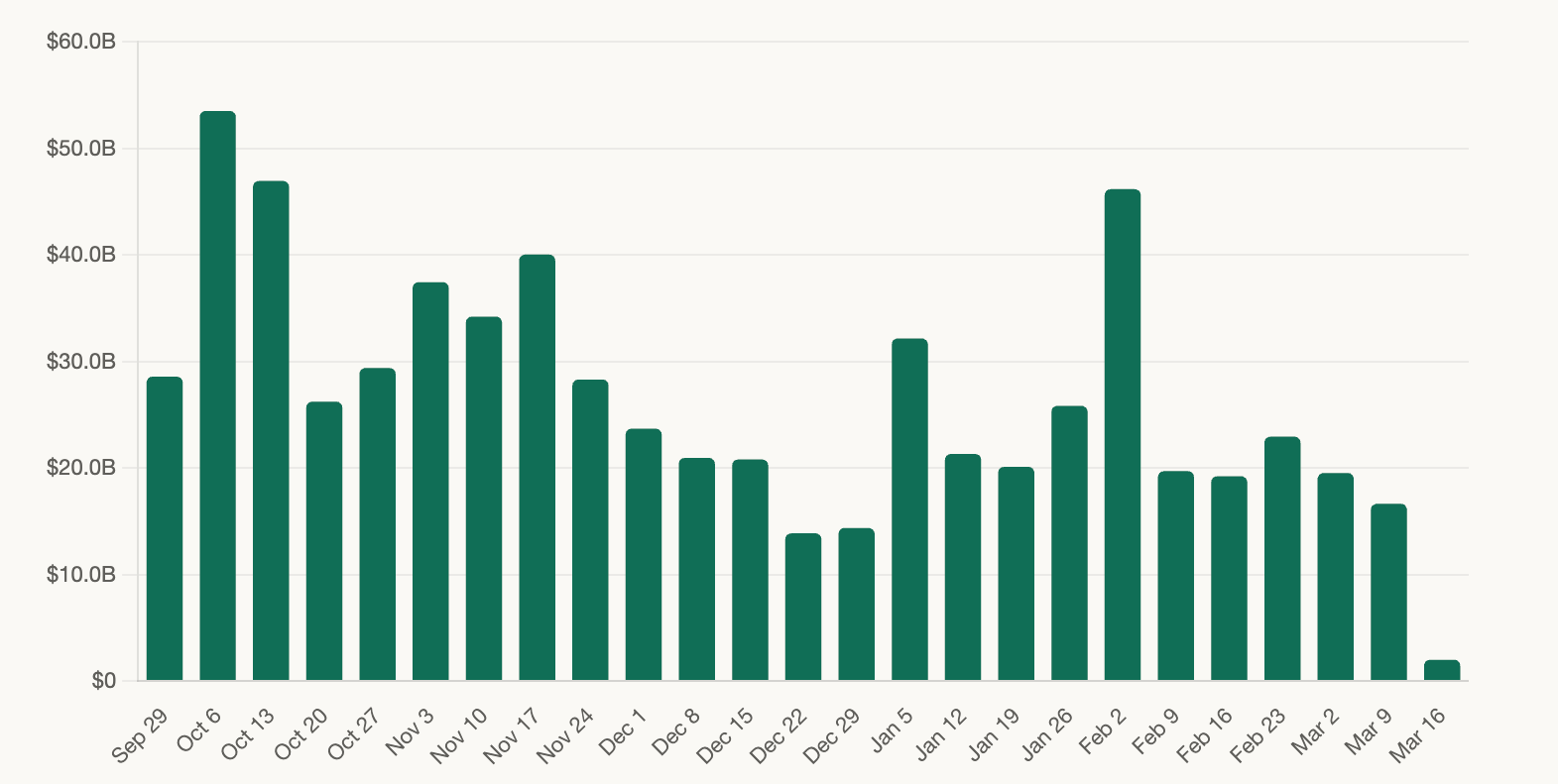 (Source: CoinGecko)
The decline in XRP trading volume is particularly notable amid uncertain overall market sentiment. Volume fell 27.5% from $22.9 billion to $16.6 billion, indicating a significant reduction in market participation over a relatively short period, with both retail and institutional buying momentum waning.
Data from ETF markets further confirms this trend. The spot XRP ETF has experienced net outflows for two consecutive weeks, with the current weekly redemption volume reaching its highest since late January. This contrasts sharply with the positive inflows seen in Bitcoin ETFs during the same period, suggesting that in a market environment where capital is selectively allocated, XRP is not currently a top choice for institutions.
Looking at the broader context, despite Ripple’s recent milestones in regulatory approval and business partnerships, these positive developments have yet to translate into increased market demand for XRP. While XRP’s price has risen 3.89% alongside the broader market, the overall trend remains downward.
Token Burn Controversy: Community Voices and David Schwartz’s Response
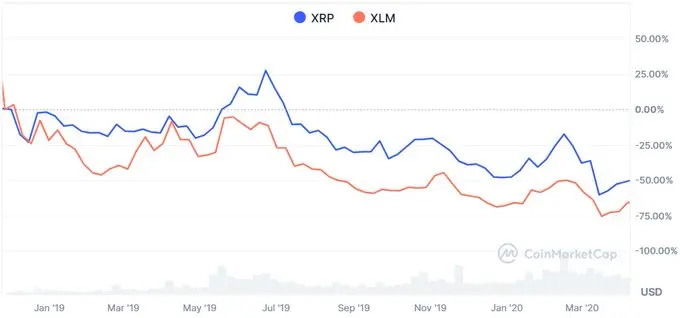 (Source: CMC)
After Ripple announced a $750 million stock buyback plan, some XRP holders expressed dissatisfaction, arguing that buybacks benefit only shareholders and do not directly increase XRP’s value. A user on the XRP forum explicitly suggested Ripple consider burning a large portion of its escrowed XRP to reduce supply and directly enhance token scarcity and potential value.
However, Ripple’s Chief Technology Officer David Schwartz shared a chart referencing Stellar’s 2019 burn of approximately 50% of its total XLM supply as a counterpoint. Stellar’s large-scale burn was one of the biggest in crypto history, but subsequent price movements of XLM showed that such a significant supply reduction did not lead to the expected substantial price increase.
Schwartz’s rebuttal points to a well-validated market principle:
Reducing supply does not automatically lead to price increases: Ultimately, token prices are determined by supply and demand dynamics. Without a corresponding increase in demand, simply shrinking supply often has limited effect.
The Stellar precedent’s relevance: Stellar’s burn was one of the largest single-event burns in mainstream crypto, and its market performance afterward provides a more cautious reference for such proposals.
The core issue: Expanding ecosystem use cases and genuine demand growth are the true drivers of long-term token value.
Frequently Asked Questions
Is a 27.5% weekly decline in XRP trading volume a normal market fluctuation?
A 20-30% fluctuation in weekly trading volume is not uncommon in crypto markets, especially during periods of changing sentiment. Notably, this decline continues a persistent contraction since late February, rather than being an isolated anomaly. This suggests a systemic cooling of market enthusiasm for XRP rather than a one-time random fluctuation.
Is David Schwartz’s use of Stellar’s burn case as a rebuttal accurate?
Stellar announced in 2019 the burning of about 55 billion XLM (roughly 50% of total supply), one of the largest mainstream token burns in crypto history. The subsequent market performance of XLM did not show sustained large-scale price increases, supporting Schwartz’s point. However, critics may argue that the overall market environment and Stellar’s fundamentals at that time differ from XRP’s current situation, limiting the direct comparability of the case.
Does continuous outflow from XRP ETFs indicate institutional withdrawal?
The ongoing outflows are more likely a reflection of short-term capital reallocation amid market uncertainty rather than a fundamental withdrawal. Since their launch in November 2025, XRP ETFs have still accumulated over $1.2 billion in inflows, indicating that institutional interest remains intact. The key is whether this outflow trend continues in the coming weeks or reverses with new catalysts such as legislative progress or increased real-world use cases.
Disclaimer: The information on this page may come from third parties and does not represent the views or opinions of Gate. The content displayed on this page is for reference only and does not constitute any financial, investment, or legal advice. Gate does not guarantee the accuracy or completeness of the information and shall not be liable for any losses arising from the use of this information. Virtual asset investments carry high risks and are subject to significant price volatility. You may lose all of your invested principal. Please fully understand the relevant risks and make prudent decisions based on your own financial situation and risk tolerance. For details, please refer to
Disclaimer.


