

Trade
Basic
Futures
Futures
Hundreds of contracts settled in USDT or BTC
Options
HOT
Trade European-style vanilla options
Unified Account
Maximize your capital efficiency
Demo Trading
Futures Kickoff
Get prepared for your futures trading
Futures Events
Participate in events to win generous rewards
Demo Trading
Use virtual funds to experience risk-free trading
Earn
Launch
CandyDrop
Collect candies to earn airdrops
Launchpool
Quick staking, earn potential new tokens
HODLer Airdrop
Hold GT and get massive airdrops for free
Launchpad
Be early to the next big token project
Alpha Points
NEW
Trade on-chain assets and enjoy airdrop rewards!
Futures Points
NEW
Earn futures points and claim airdrop rewards
Investment
Simple Earn
Earn interests with idle tokens
Auto-Invest
Auto-invest on a regular basis
Dual Investment
Buy low and sell high to take profits from price fluctuations
Soft Staking
Earn rewards with flexible staking
Crypto Loan
0 Fees
Pledge one crypto to borrow another
Lending Center
One-stop lending hub
VIP Wealth Hub
Customized wealth management empowers your assets growth
Private Wealth Management
Customized asset management to grow your digital assets
Quant Fund
Top asset management team helps you profit without hassle
Staking
Stake cryptos to earn in PoS products
Smart Leverage
NEW
No forced liquidation before maturity, worry-free leveraged gains
GUSD Minting
Use USDT/USDC to mint GUSD for treasury-level yields

More

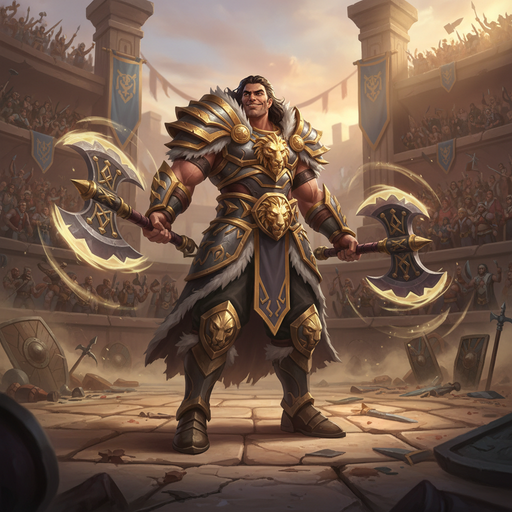




How Blockchain Gaming and Crypto Casinos Are Reshaping Digital Entertainment
The crypto ecosystem is evolving beyond price charts and trading screens. Players and investors are increasingly channeling their assets into blockchain gaming platforms and decentralized casinos—creating a shift that mirrors Web3’s broader promise of ownership, transparency, and community control. This movement isn’t just a trend; it reflects fundamental changes in how users want to engage with digital assets and platforms.
From Speculation to Participation
The traditional crypto experience revolves around a single metric: price movement. Users buy tokens, hold them, and wait for bull cycles. But this approach lacks purpose between rallies. Blockchain gaming and casinos introduce a radically different model—one where assets become tools for interactive participation.
In these environments, your holdings serve a function. You’re not just watching a chart; you’re using tokens to play provably fair games, earning NFT rewards through gameplay, or staking governance tokens to influence ecosystem decisions. The distinction matters: engagement replaces waiting, and participation generates ongoing value rather than depending on market sentiment alone.
This shift addresses a real pain point for crypto users. Market volatility can be exhausting, and holding assets in cold storage offers no immediate utility. By contrast, active gaming and casino platforms create reasons to engage daily—whether through earning rewards, competing with others, or contributing to game economies.
True Asset Ownership Rewrites the Rules
Traditional gaming and betting platforms operate on a fundamental constraint: you own nothing. Every item you earn, every achievement you unlock, and every victory you secure remains locked inside a company’s server. The moment you stop playing—or the company shuts down—it all vanishes.
Blockchain changes this equation entirely. Players in Web3 gaming ecosystems own their NFTs, governance tokens, and earned assets outright. These holdings exist on-chain, can be sold on secondary markets, staked for yield, or transferred between platforms. Ownership becomes real.
This economic model aligns incentives in ways traditional gaming never has. Players aren’t just consumers—they become stakeholders with genuine financial interest in their platform’s success. When you can profit from your achievements and your holdings appreciate in value, your motivation shifts. You’re not grinding for cosmetics; you’re building an asset position through gameplay.
For users prioritizing financial sovereignty, this ownership dynamic represents Web3’s most compelling application beyond trading.
Privacy-First Access in a Regulated World
Surveillance and regulatory pressure are reshaping how users think about their financial activities. Many seek platforms that respect their autonomy without intrusive verification processes. No-KYC casinos—particularly those accessible in jurisdictions like Canada—offer this freedom.
A crypto casino canada operating on no-KYC principles eliminates friction. No lengthy document submissions. No invasive identity verification. No corporate oversight of personal data. Users maintain anonymity while accessing blockchain-based betting platforms with verifiable, transparent outcomes.
This model aligns perfectly with crypto’s philosophical roots: sovereignty over data and funds. It appeals equally to users in restricted jurisdictions and those who simply prefer privacy-first services. The no-KYC structure isn’t a loophole—it’s a feature that reinforces decentralization principles.
Play-to-Earn Evolves Into Sophisticated Ecosystems
The play-to-earn boom of the last cycle created inflated expectations. Many projects focused narrowly on earning potential, leading to unsustainable tokenomics and eventual collapse.
Today’s blockchain games operate differently. They balance earning mechanics with compelling gameplay, narrative depth, and real economic systems. Success requires skill, decision-making, and time investment—not merely token holding. Players earn through crafting, managing virtual property, competing in tournaments, and contributing to in-game markets.
This maturation attracts users seeking depth beyond speculation. You spend hours building something tangible. Your efforts compound over time. Economic participation feels natural within gameplay rather than grafted on as an afterthought.
Smart Contracts Replace Trust
Online casinos have always required a leap of faith. Users trust that outcomes are fair, that payouts are legitimate, and that the house isn’t cheating. Centralized platforms demand this blind trust.
Blockchain casinos invert the model. Provably fair systems, on-chain transaction records, and smart contract logic mean every bet is verifiable and every outcome is auditable. Players can mathematically confirm fairness without relying on the platform’s word.
This transparency creates accountability that legacy systems can’t match. As more users experience trustless verification, their tolerance for opaque traditional casinos diminishes. The bar has been raised: players now expect autonomy and verifiability as standard features.
Community Governance Drives Engagement
Many blockchain gaming platforms now incorporate DAOs and governance mechanisms. Players vote on updates, propose features, and collectively shape their ecosystem. Social tokens align community interests with platform success.
This participatory model creates emotional investment that passive users in traditional games never develop. You’re not just playing someone else’s game—you’re stewarding it. This stakeholder mentality resonates powerfully with crypto users accustomed to governance models and decentralized decision-making.
The result is stronger community cohesion, higher retention, and more authentic brand loyalty.
Market Signals Confirm the Shift
Behavioral data tells the story clearly. Transaction volume in gaming-focused blockchain ecosystems is rising. Wallet connections to casino smart contracts continue climbing. NFT activity in gaming sectors is rebounding after skepticism peaked.
This isn’t speculative volatility—it’s evidence of sustained user migration. Players are choosing daily engagement over passive holding. They’re extracting value through participation rather than waiting for price pumps.
Deepening Crypto Engagement
For experienced cryptocurrency users, diversifying into blockchain gaming and casinos represents a natural evolution—not a departure from core principles. It’s about maximizing utility: converting holdings into access, skills into rewards, and engagement into economic participation.
Whether motivated by privacy, ownership rights, or community involvement, users are discovering that blockchain gaming and casinos deliver on Web3’s foundational promises. The space has matured from speculation-driven hype into a genuine alternative to traditional digital entertainment.
Blockchain gaming and casinos are no longer peripheral to the crypto conversation. They’ve become central to how the ecosystem creates sustainable value.