Why You Should Use a Hardware Wallet


Introduction
Proper storage for cryptocurrencies is the most important thing in the digital asset space. The cryptocurrency world is inherently risky – malicious actors are everywhere and employ numerous strategies to steal users' funds. Implementing a robust security strategy to protect your cryptocurrencies should be your highest priority.
You have access to a wide range of storage solutions, each with different compromises between security and usability. Beginners typically start with centralized exchanges. These platforms introduce many people to cryptocurrencies for the first time and allow users to store their assets in online wallets. However, technically speaking, such users do not have full control over their cryptocurrencies. If an exchange is hacked or shuts down, users may never recover their funds.
Users may not consider moving cryptocurrencies from an exchange necessary, may not know how to do it, or might even believe that online custody is more secure. Self-custody can indeed result in fund loss if the user makes a mistake.
The idea of taking control over your cryptocurrencies can be daunting, but from a security perspective, hardware wallets have no real competitors. In this article, we will explain what they are, how they work, and why you should use one.
What is a Private Key?
A private key is your passport to the cryptocurrency ecosystem. In many ways, it functions like a real key – you can unlock your funds and spend them. If someone else obtains your private key, they can steal your cryptocurrencies. If you lose your key, you lose access to your assets – the decentralized environment has no password recovery button. Similarly, there is no bank you can contact to reverse fraudulent transactions.
The fundamental principle is that private keys must be kept secret and secure. For cryptocurrency users, they are invaluable. It is no wonder that hackers and fraudsters constantly attempt to steal them using various phishing techniques and malicious malware.
Storing keys is straightforward – they are simply strings of numbers and letters. You can write them on paper and store them in a vault. However, when you want to use them to transfer funds, they must be in a device that can create proof that you can spend your cryptocurrencies.
What is a Hardware Wallet?
Hardware wallets are devices specifically designed to securely store private keys. They are considered more secure than wallets on computers or smartphones primarily because they never connect to the internet. This characteristic significantly limits the attack vectors available to malicious actors, as they cannot manipulate the device remotely.
A good hardware wallet ensures that the private keys stored on the device never leave it. Typically, they are held in a special location within the device that prevents their extraction.
Because hardware wallets are always offline, they must be used in conjunction with another device. Due to their design, you can connect them even to compromised computers or smartphones without risking the exposure of your private key. When connected, they communicate with software that allows the user to view their balance or conduct transactions.
When creating a transaction, the user sends it to the hardware wallet. The transaction is still incomplete because it must be signed with the private key on the device. The hardware wallet asks the user to confirm the correctness of the amount and address. After confirmation, the signed transaction is sent back to the hardware wallet software, which broadcasts it to the cryptocurrency network.
Why Should You Use a Hardware Wallet?
Wallets that store private keys on internet-connected computers or smartphones expose users' funds to a wide range of attacks. Malware can detect cryptocurrency activity on such devices and drain users' funds.
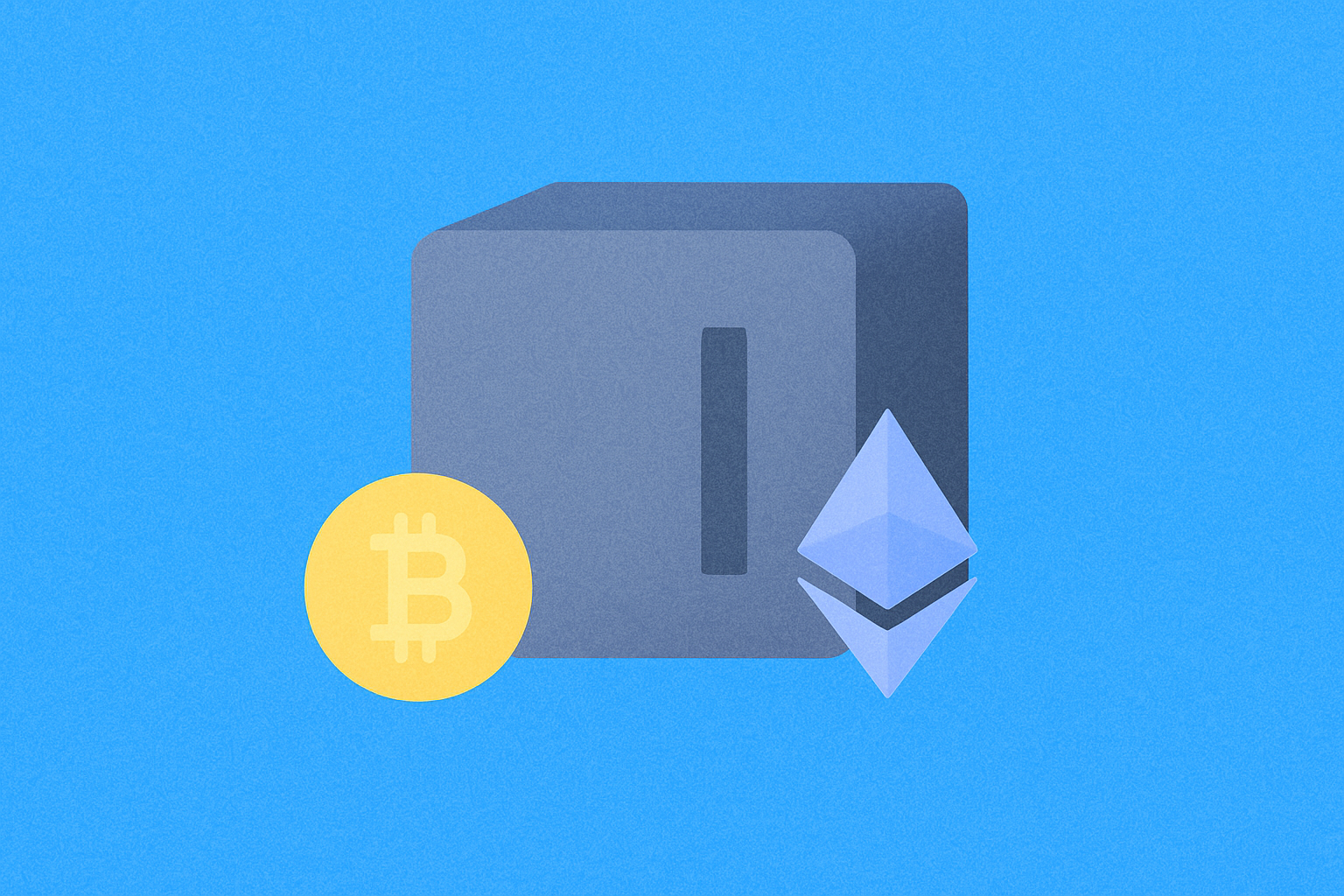
A hardware wallet is like an impenetrable vault with a small slot. When a user wants to create a transaction that the network will accept, they pass it through this slot. Imagine that on the other side of this slot is a guardian who signs the transaction through some cryptographic magic. This guardian never leaves the vault – there are no doors and it cannot fit through the slot. It can only receive transactions and pass them back out.
Even if someone obtains your hardware wallet, it is protected by an additional layer of security in the form of a PIN code. Additionally, the device often resets after a certain number of failed attempts.
Financial assets that you are not actively using – those you are not spending, staking, lending, or trading – should be held in offline storage. This is precisely what a hardware wallet enables, and it is suitable even for users with limited technical knowledge.
Hardware wallets must be backed up in case of loss, theft, or damage. During initial setup, users are typically asked to record a seed phrase – a list of words that can be used to recover funds on a new device. This phrase allows anyone to access the stored cryptocurrencies, so you should treat it like any other valuable asset. It is generally recommended to write it down on paper (or engrave it on a piece of metal) and store it in a private and secure location.
Limitations of Hardware Wallets
Hardware wallets, like any other storage solution, involve certain trade-offs. Although they are among the most secure platforms for holding cryptocurrencies, they still have some limitations. They represent a middle ground between security and usability. Software wallets or smartphone wallets are more convenient, while hardware wallets are not entirely straightforward to operate (since you need two devices to send funds).
Nevertheless, hardware wallets are not completely impenetrable. Physical threats or coercion can force a user to unlock the wallet, and other attack vectors exist as well. Experienced hackers can potentially compromise this device if they gain physical access to it.
To date, no hacker has successfully extracted private keys from a hardware device in real-world scenarios. When security vulnerabilities are reported, manufacturers typically fix them very quickly. This does not mean it is impossible – researchers have demonstrated attacks even on the most popular wallets.
Another effective way to compromise a hardware wallet's security is through supply chain attacks. These occur when the wallet reaches a malicious party before being delivered to the user. That party can then manipulate it, weaken its security, and steal funds once the user deposits assets.
Another limitation is that hardware wallets require users to take control of their own security. Many view this as an advantage because no third party manages your financial assets, but it also means that if something goes wrong, there is nothing you can do about it.
Conclusion
The limitations of hardware wallets do not outweigh their advantages. The security provided by hardware wallets is difficult for any other storage solution to match. For offline storage, there simply is no substitute that eliminates the risks associated with self-custody.
When searching for a hardware wallet, users should carefully examine all available options. The market offers a wide range of devices with various features, supported cryptocurrencies, and learning curves. Choosing the right hardware wallet is an essential step in securing your cryptocurrency holdings and taking full control of your digital assets.
FAQ
What is a hardware wallet and how does it protect my cryptocurrency?
A hardware wallet is a physical device that securely stores your private keys offline, protecting them from hackers and malware. By keeping your crypto assets disconnected from the internet, it eliminates exposure to online threats while allowing you to maintain full control of your funds.
What are the advantages of hardware wallets compared to software wallets?
Hardware wallets offer superior security by storing cryptocurrencies offline, making them resistant to hacking attacks. They provide better protection for long-term asset storage compared to software wallets, which are more convenient but face higher cybersecurity risks.
Does using a hardware wallet really prevent hackers from stealing your assets?
Yes, hardware wallets significantly protect against hacking by keeping your private keys offline and isolated from the internet. This offline storage makes it extremely difficult for hackers to access your assets, as they cannot reach your keys remotely. However, remain vigilant against phishing and physical theft.
How much do hardware wallets cost and are they worth buying?
Hardware wallets typically cost between $30-$150 depending on the brand and features. They are absolutely worth the investment for securing your crypto assets, especially if you hold significant amounts. The security protection far outweighs the initial cost.
How to safely set up and use a hardware wallet?
Purchase from trusted sources, write down your recovery seed offline, set a strong PIN, and always verify addresses before transactions. Keep your device updated and never share your seed phrase with anyone.
What should I do if my hardware wallet is lost or damaged, and can assets be recovered?
Yes, your assets can be recovered using your secret recovery phrase. Simply import the phrase into a new hardware wallet to regain access. However, if you lose the recovery phrase, asset recovery becomes impossible. Always keep your recovery phrase secure and stored separately from your device.
Share
Content
How to Buy Cryptocurrency


Trending Cryptocurrencies


Understanding Hardware Wallets: A Secure Solution for Crypto Storage

Optimizing Your Crypto Portfolio: How Many Wallets Are Necessary?

What Is a Hardware Wallet?
Top 3 Cold Wallets for Cryptocurrency Security in 2023

Paper Wallet Security for Cryptography

Explore the Top Secure Cold Wallet Choices for Cryptocurrencies in 2023

Marina Protocol Daily Quiz Answer for 6 january 2026

Spur Protocol Daily Quiz Answer Today 6 january 2026

Dropee Question of the Day for 6 january 2026

What is MIDNIGHT: A Comprehensive Guide to Understanding the Witching Hour and Its Cultural Significance

What is PRARE: A Comprehensive Guide to Precision Rare Earth Element Processing and Applications