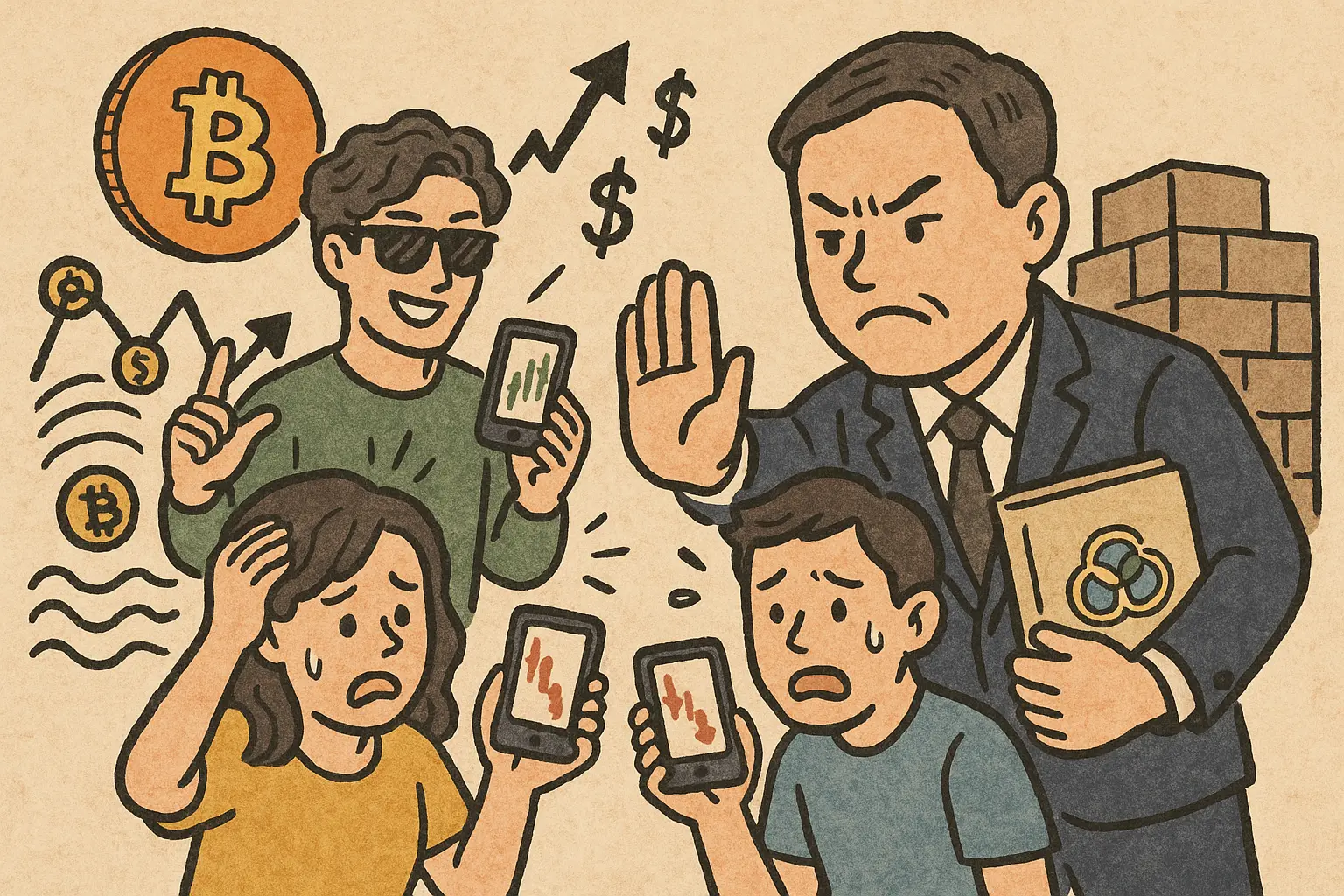
On March 23, Financial Supervisory Commission Chair Peng Jinlong stated during a legislative finance committee hearing that the FSC plans to regulate advertising, referral, and promotional activities of crypto KOLs through subsidiary regulations authorized by the Financial Consumer Protection Act (FCPA), filling the current regulatory gaps in Taiwan’s virtual asset market. Peng emphasized that similar activities are already regulated in traditional financial markets, and virtual asset sectors should not continue to operate in a regulatory vacuum.
Regulatory Framework under the FCPA: VASPs Responsible for Partner KOLs
The FSC’s regulatory approach draws from self-regulatory mechanisms in traditional finance, where investment trust and advisory firms cooperate with online influencers. In the future, virtual asset service providers (VASPs) may be required to sign formal cooperation agreements with KOLs, incorporating their marketing activities into the VASP’s internal control systems, ensuring referral behaviors are accountable within a compliant framework.
The Democratic Progressive Party’s draft Virtual Asset Service Law further mandates that VASPs disclose company names and licensing information in advertisements and marketing, prohibit false or misleading promotions, and require KOLs to meet certain qualification criteria. Since requiring all KOLs to hold formal financial licenses is practically challenging, a compromise approach involves VASPs conducting regular compliance checks on partnered influencers and binding them through contracts to enforce regulatory responsibilities.
Regulatory Red Lines: Analysis of Major Cases—Crypto Hu Shi and BitMart
Crypto Hu Shi Case: The well-known KOL “Crypto Hu Shi” and his company Yang Ji Co., Ltd., were warned by Taiwan’s Securities and Exchange Association for failing to register under the Anti-Money Laundering Act, prohibiting them from soliciting virtual currency business. They are the first KOL officially named after the implementation of the virtual asset registration system. FSC legal personnel pointed out that unregistered operators engaging in solicitation or platform activities pose legal risks, especially when such activities are deemed extensions of exchange operations, increasing the likelihood of violations.
BitMart Case: The FSC’s Securities and Futures Bureau officially designated the overseas exchange BitMart as an unapproved operator, mentioning that certain KOLs on the Threads platform recruited “trading teams” and required the use of specific invitation codes for registration. The bureau explicitly stated that BitMart has not completed AML registration and is prohibited from providing services or advertising in Taiwan.
Referral Scam Four-Step Routine: Investor Awareness Guide
The FSC and police repeatedly warn that crypto referral scams follow a fixed modus operandi:
- Free Trial Signals to Attract: Starting with free signals to help investors make small profits and build trust.
- Fake Performance to Create Atmosphere: Using “trade screenshot generators” to input coin types, leverage, and opening prices, generating fake profit screenshots to attract followers.
- Inducing Additional Transfers: After establishing trust, demanding larger funds and directing investors to fake wallets or unregulated overseas exchanges.
- One-Night Disappearance of Funds: After funds are transferred, the “teacher” and group vanish, leaving investors with losses.
Frequently Asked Questions
How does the FSC plan to regulate crypto KOLs through the FCPA subsidiary regulations?
The FSC states that it will regulate KOL advertising, referral, and promotional activities via subsidiary regulations authorized by the Financial Consumer Protection Act. Future requirements may include VASPs signing formal contracts with KOLs and integrating their marketing activities into internal control systems, placing these behaviors within a accountable and compliant framework.
Is it illegal for KOLs to operate without AML registration?
FSC legal personnel indicate that unregistered operators engaging in virtual currency solicitation already face legal risks, especially if their activities are deemed extensions of exchange operations, which significantly heightens violation risks. Proper registration is a legal prerequisite for KOLs involved in related activities.
How can investors identify legitimate Taiwanese crypto platforms?
Currently, only eight VASPs are officially registered in Taiwan, including MAX Exchange, BitoPro, XREX, and others. Investors should prioritize using registered platforms, avoid unapproved overseas exchanges, and refrain from transferring funds to accounts not recognized by Taiwanese regulators.
Disclaimer: The information on this page may come from third parties and does not represent the views or opinions of Gate. The content displayed on this page is for reference only and does not constitute any financial, investment, or legal advice. Gate does not guarantee the accuracy or completeness of the information and shall not be liable for any losses arising from the use of this information. Virtual asset investments carry high risks and are subject to significant price volatility. You may lose all of your invested principal. Please fully understand the relevant risks and make prudent decisions based on your own financial situation and risk tolerance. For details, please refer to
Disclaimer.


