

Trade
Basic
Futures
Futures
Hundreds of contracts settled in USDT or BTC
Options
HOT
Trade European-style vanilla options
Unified Account
Maximize your capital efficiency
Demo Trading
Futures Kickoff
Get prepared for your futures trading
Futures Events
Participate in events to win generous rewards
Demo Trading
Use virtual funds to experience risk-free trading
Earn
Launch
CandyDrop
Collect candies to earn airdrops
Launchpool
Quick staking, earn potential new tokens
HODLer Airdrop
Hold GT and get massive airdrops for free
Launchpad
Be early to the next big token project
Alpha Points
NEW
Trade on-chain assets and enjoy airdrop rewards!
Futures Points
NEW
Earn futures points and claim airdrop rewards
Investment
Simple Earn
Earn interests with idle tokens
Auto-Invest
Auto-invest on a regular basis
Dual Investment
Buy low and sell high to take profits from price fluctuations
Soft Staking
Earn rewards with flexible staking
Crypto Loan
0 Fees
Pledge one crypto to borrow another
Lending Center
One-stop lending hub
VIP Wealth Hub
Customized wealth management empowers your assets growth
Private Wealth Management
Customized asset management to grow your digital assets
Quant Fund
Top asset management team helps you profit without hassle
Staking
Stake cryptos to earn in PoS products
Smart Leverage
NEW
No forced liquidation before maturity, worry-free leveraged gains
GUSD Minting
Use USDT/USDC to mint GUSD for treasury-level yields

More



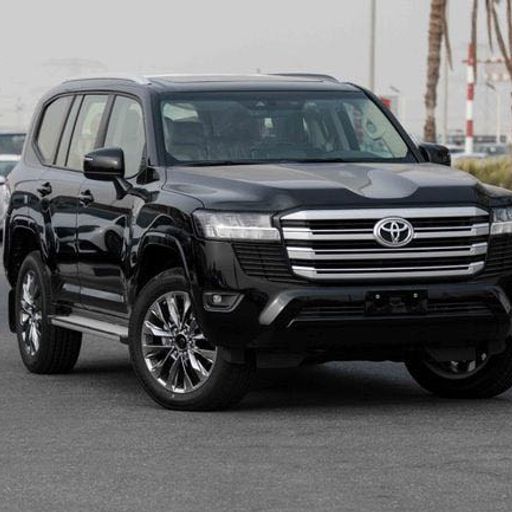

A big news just broke out, it's really shocking: Another Chinese oil tanker was detained near Venezuela. This ship was loaded with 1.8 million barrels of premium crude oil "Merey 16", which was supposed to be shipped back to China.
To be honest, this is no longer just a maritime dispute. Behind this lies a direct clash of interests involving energy, finance, and major powers. The U.S. actions around Venezuela are becoming increasingly aggressive, while the energy trade network led by China has become the target. Oil trade has transformed from a commercial activity into a power game.
The market reacted quickly. The pressure from rising crude oil prices surged, and the geopolitical risk premium was repriced, leading to severe volatility in all energy-related assets. Tankers were frozen, the crude oil supply side became tight, and the market immediately entered a stress mode.
But there is a more thought-provoking question here: As global power struggles become more intense, when oil routes may be politicized and financial channels may be frozen, what assets can truly withstand risks?
The answer may not lie in traditional assets, but in the currency and credit system itself. With each escalation of geopolitical conflict, the financial system backed by the credit of a single country develops another crack. When trade routes become weapons and SWIFT transfers may be restricted, global capital instinctively seeks alternatives—value carriers that are transparent in rules, do not rely on a single power center, and are difficult to freeze.
This is why stablecoins and on-chain finance are becoming increasingly important. Regardless of how geopolitical situations evolve, the usability of this system is strengthening.