

Trade
Basic
Futures
Futures
Hundreds of contracts settled in USDT or BTC
Options
HOT
Trade European-style vanilla options
Unified Account
Maximize your capital efficiency
Demo Trading
Futures Kickoff
Get prepared for your futures trading
Futures Events
Participate in events to win generous rewards
Demo Trading
Use virtual funds to experience risk-free trading
Earn
Launch
CandyDrop
Collect candies to earn airdrops
Launchpool
Quick staking, earn potential new tokens
HODLer Airdrop
Hold GT and get massive airdrops for free
Launchpad
Be early to the next big token project
Alpha Points
NEW
Trade on-chain assets and enjoy airdrop rewards!
Futures Points
NEW
Earn futures points and claim airdrop rewards
Investment
Simple Earn
Earn interests with idle tokens
Auto-Invest
Auto-invest on a regular basis
Dual Investment
Buy low and sell high to take profits from price fluctuations
Soft Staking
Earn rewards with flexible staking
Crypto Loan
0 Fees
Pledge one crypto to borrow another
Lending Center
One-stop lending hub
VIP Wealth Hub
Customized wealth management empowers your assets growth
Private Wealth Management
Customized asset management to grow your digital assets
Quant Fund
Top asset management team helps you profit without hassle
Staking
Stake cryptos to earn in PoS products
Smart Leverage
NEW
No forced liquidation before maturity, worry-free leveraged gains
GUSD Minting
Use USDT/USDC to mint GUSD for treasury-level yields

More



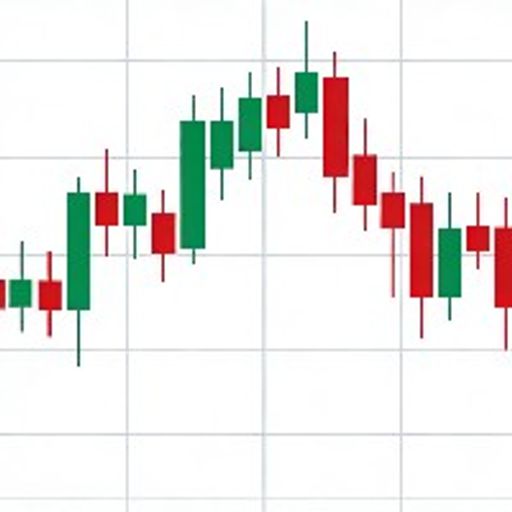


The recent market situation can be described as turbulent. Just as everyone was repeatedly debating the K-line, Kazakhstan made a big move—directly dumping $300 million worth of gold reserves and turning around to pour money into the cryptocurrency market. Although the specific cryptocurrencies involved have not been fully disclosed, this move alone is enough to energize the market. Compared to El Salvador years ago, which simply incorporated Bitcoin into its legal currency system, Kazakhstan is playing with hard currency swapping for digital assets, clearly operating on a different scale.
The ambitions of resource-rich countries are fully exposed. Interestingly, this is not sudden. Last year, Kazakhstan legalized Bitcoin mining, once controlling 20% of the global hash rate. Now, they aim to upgrade from mere "miners" to "institutional buyers," with a clear logic behind it—the window for small countries to break through financially has opened.
Why the urgency? It boils down to a few points. Gold is a store of value, but its liquidity is limited, and its price is always influenced by Federal Reserve policies. Cryptocurrencies are different—they circulate globally and can bypass traditional clearing systems. More importantly, facing various restrictions within the dollar system, emerging economies are seeking alternatives to hedge against inflation. In the geopolitical chess game, cryptocurrencies are gradually becoming the "decentralized settlement" undercurrent, and may even evolve into a new option for international trade in the future.
From El Salvador to Kazakhstan, small countries are reshaping the global financial landscape with cryptocurrencies. This trend has truly changed.