


Vitalik Buterin Drops Truth Bomb: Most “DeFi” Is a Lie, This Is Real DeFi
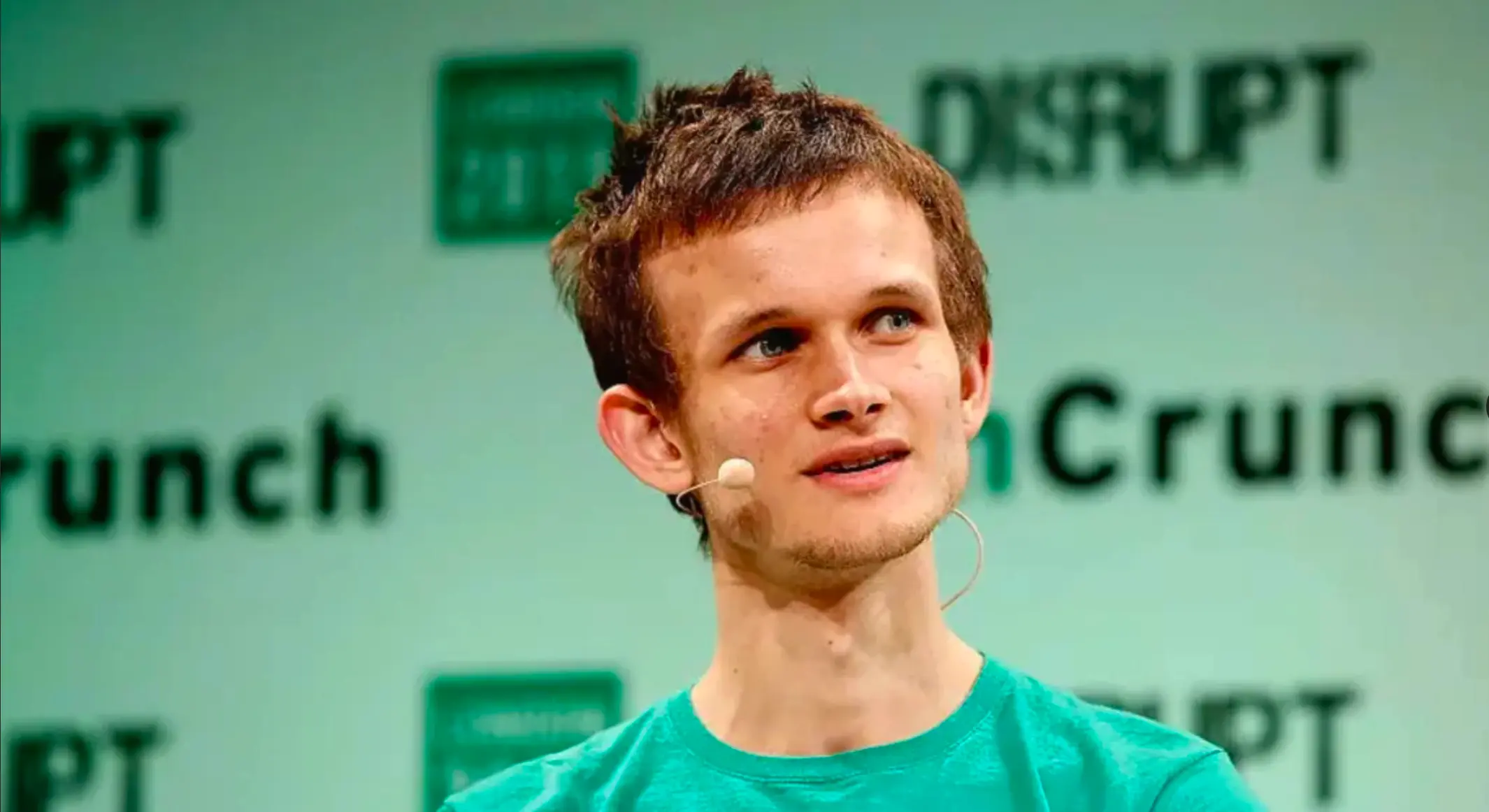
Vitalik Buterin just redefined DeFi, declaring most of it a lie. Discover why he says USDC yield farming isn’t true DeFi, why algorithmic stablecoins are the future, and why we don’t need more L1 chains. This seismic shift in thinking could redefine the entire decentralized finance landscape.
Vitalik Buterin’s DeFi Declaration Sparks Industry Soul-Searching
On February 9, 2026, Ethereum co-founder Vitalik Buterin ignited a fierce debate that cuts to the very heart of the decentralized finance movement. In a series of pointed social media posts, Buterin made a provocative claim: a significant portion of what we call “DeFi” is fundamentally not decentralized finance at all. This wasn’t just a technical critique; it was an ideological challenge to an industry awash with yield farming and liquidity mining centered around assets like USDC.
The conversation began with analyst c-node, who argued that much of today’s DeFi activity is a “cargo cult”—mimicking the form of success without its substance—serving only those with long crypto positions. Buterin’s response provided a rigorous framework for what genuinely counts. This clash is more than philosophical; it signals a potential pivot point for DeFi as it moves beyond speculative froth towards building a resilient, alternative financial system. For developers, investors, and users, understanding Buterin’s distinction is crucial for navigating the next era of crypto.
The Algorithmic Stablecoin Standard: Buterin’s Blueprint for Real DeFi
At the core of Vitalik Buterin’s argument is a simple yet profound principle: real DeFi must successfully decentralize counterparty risk. He posits that many popular activities, like depositing the centralized stablecoin USDC into lending protocols such as Aave, fail this test. While you are using a decentralized application, your ultimate risk is still tied to a centralized entity (the issuer of USDC). If that entity fails, your “DeFi” position is in jeopardy.
Buterin’s solution points squarely toward algorithmic stablecoins, but with specific, robust design requirements. He outlined two viable paths. The “easy mode” ideal is an ETH-backed algorithmic stablecoin. Even if most of its liquidity comes from users who are effectively short the stablecoin (CDP holders), the system’s genius is that it allows any holder to punt the dollar-denominated counterparty risk to a market maker. This mechanism distributes and manages risk through a decentralized market, not a corporate balance sheet.
The “hard mode” alternative involves stablecoins backed by Real World Assets (RWAs), but only if they are overcollateralized and sufficiently diversified. The key is that the failure of any single backing asset must not threaten the stablecoin’s collateralization. This creates a meaningful improvement in risk for the holder compared to traditional, opaque financial structures.
Why Algorithmic Stablecoins Embody True DeFi
Decentralized Counterparty Risk: The risk is borne by a global network of collateral holders and market makers, not a single company.
Censorship-Resistant Collateral: When backed by native crypto assets like ETH, the entire stack is beyond the reach of traditional financial seizure.
Transparent and Verifiable: Overcollateralization ratios and asset diversification are visible on-chain, allowing for trustless verification.
Aligned with Self-Custody: The entire process, from minting to redeeming, can occur within a self-custodied wallet, fulfilling DeFi’s original ethos.
The “Cargo Cult” of Centralized Stablecoin Yields
Buterin and c-node’s critique focuses intensely on the dominant model of today’s DeFi: generating yield on centralized stablecoins. c-node dismissed these strategies as “cargo cults,” a term describing rituals that imitate successful practices without understanding the underlying principles. In this context, it means replicating the** actions of DeFi (depositing, lending, borrowing) while losing its core **purpose of decentralization and self-sovereignty.
The analyst made a compelling historical observation: Ethereum’s early DeFi boom was driven by users ideologically committed to self-custody. In contrast, many newer blockchain ecosystems are dominated by venture capital funds that often use institutional custodians, not personal wallets. This fundamental shift in user mindset, they argue, makes replicating Ethereum’s DeFi success on other chains inherently difficult. The activity may look similar, but the foundational commitment to decentralization is weaker.
This exposes an uncomfortable truth for much of the current DeFi Total Value Locked (TVL). A large portion is not “decentralized” capital but institutional capital temporarily parked in permissioned protocols to farm yield, ready to flee at a moment’s notice. Buterin’s commentary challenges whether this activity deserves the DeFi label at all, suggesting it is merely TradFi using decentralized interfaces.
Buterin’s Broader Infrastructure Critique: “We Don’t Need More L1s”
This debate on DeFi’s soul coincided with another stark warning from Buterin regarding blockchain infrastructure. Just days before, he argued that the crypto space is saturated with redundant Layer 1 (L1) chains. His message was blunt: “We don’t friggin need more copypasta EVM chains, and we definitely don’t need even more L1s.”
He specifically criticized non-EVM chains and even EVM-compatible chains without an optimistic bridge to Ethereum as virtually useless, arguing there is no guarantee they will attract users or liquidity. This critique is backed by on-chain reality. Data shows activity on many L1 chains has slowed, with significant outflows of value locked over the past month during market downturns. Ethereum, while also seeing outflows, retains its status as the foundational DeFi hub.
Buterin’s prescription is to focus on building useful, specific applications—like privacy tools, fast apps, and low-latency products—rather than launching yet another general-purpose chain. He made an exception for dedicated “app-chains” designed for a singular powerful use case, such as a prediction market. This aligns with his DeFi thesis: focus on creating genuine, decentralized utility, not on copying superficial infrastructure or yield models.
What This Means for the Future of Decentralized Finance
Vitalik Buterin’s interventions are not random gripes; they form a coherent vision for crypto’s next chapter. He is steering the conversation away from short-term capital efficiency and toward long-term, systemic resilience. The implications are vast for developers and investors.
First, the search for the “holy grail” of a secure, scalable, and truly decentralized algorithmic stablecoin will intensify. Projects that can implement Buterin’s “easy mode” or robust “hard mode” designs will gain significant ideological and likely financial backing. Second, DeFi protocols that are merely fronts for centralized asset yield generation may face a reputational reckoning, pressured to integrate more decentralized money primitives.
Finally, Buterin hinted at an even more ambitious future: moving beyond the US dollar as the primary unit of account. He envisions a shift toward “some kind of more generalized diverse index” for measuring value. This could mean baskets of commodities, global GDP, or other decentralized indices, fundamentally decoupling the crypto economy from traditional monetary policy. While years away, this direction sets a north star for genuine financial innovation.
The Path Forward: Key Principles for Builders and Users
1. Prioritize Risk Decentralization: When evaluating a DeFi protocol, ask: “Where does the ultimate counterparty risk lie?” If the answer is a single company, it’s not true DeFi.
2. Look Beyond APY: The highest yield often comes with hidden centralized risks. Sustainable, lower yields from genuinely decentralized systems may offer better long-term health.
3. Support Native Crypto Collateral: Favor protocols and stablecoins that are backed by transparent, on-chain crypto assets rather than opaque real-world assets.
4. Value Architectural Simplicity: In infrastructure, support applications and app-chains that solve specific problems rather than redundant general-purpose L1s.
The decade-long DeFi experiment is entering a new phase of maturity. The initial wave was about proving functionality. The next wave, as Buterin outlines, must be about proving philosophical integrity—building a system that isn’t just decentralized in interface, but in its very foundation of risk and trust.