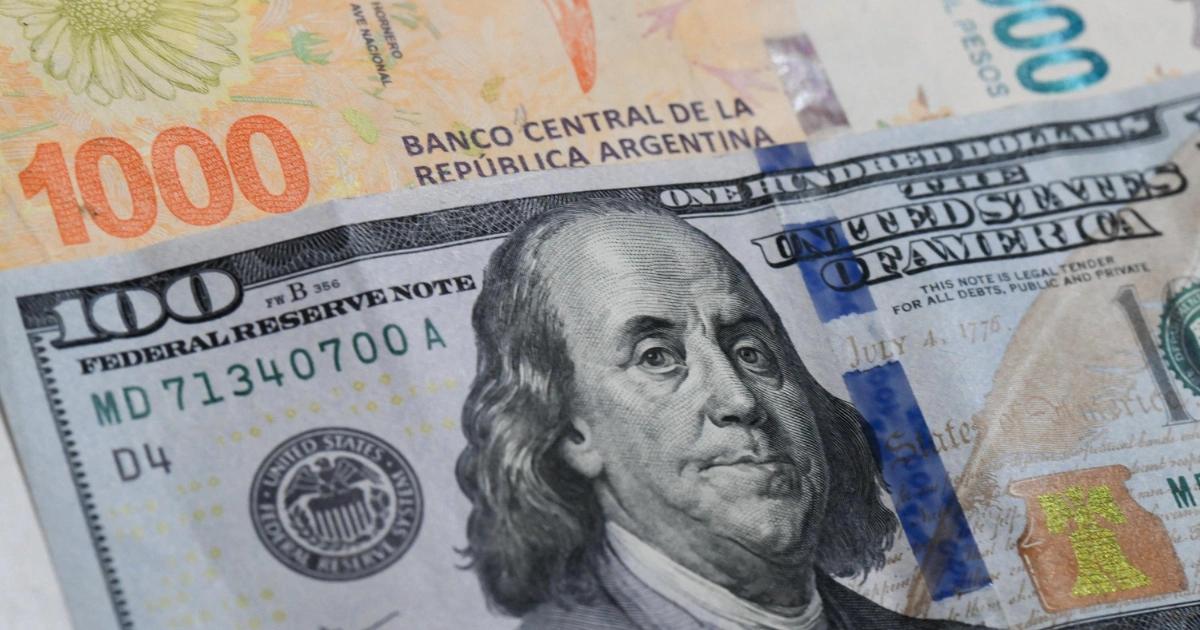
The U.S. Senate passes the Housing Act with a vote of 89 to 10, including a ban on CBDCs until 2031. Digital dollars are restricted, expanding the development space for stablecoins.
Senate Overwhelmingly Approves Housing Bill with CBDC Ban Clause
On March 12, 2026, the U.S. Senate marked an important chapter in digital financial regulation. In a vote filled with political compromise and bipartisan cooperation, the Senate overwhelmingly approved the significant legislation called the “21st Century Road to Housing Act” with 89 votes in favor and 10 against.
This 302-page bill aims to reform the U.S. housing supply and affordability. However, its final section includes a far-reaching amendment: a strict ban on the Federal Reserve issuing any form of central bank digital currency (CBDC) before 2031. The legislation was led by Senate Banking Committee Chair and Republican Senator Tim Scott and senior Democratic Senator Elizabeth Warren. These two prominent politicians, often on opposite sides of many issues, combined existing Senate proposals with some House suggestions to successfully push this comprehensive bill forward.
Before the vote, Scott emphasized that lawmakers should focus on solving real issues affecting Americans and set aside partisan differences. Despite broad bipartisan support, 10 senators voted against the bill, including Hawaii Democrat Brian Schatz and some conservative Republicans. Their opposition stemmed either from disagreements over housing policy or differing interpretations of digital currency regulation pathways.
Read More
Reject CBDC! U.S. Housing Bill Proposal: Fed Banned from Issuing CBDCs Before 2031
U.S. Lawmakers Proposal: Remove 2030 Sunset Clause, Advocate for Permanent CBDC Ban
Ban in Effect Until January 1, 2031; Diverging Paths for Public and Private Digital Currencies
According to the bill details, the Federal Reserve is explicitly restricted. The clause states that the Federal Reserve Board or any Federal Reserve Bank shall not directly or indirectly through financial institutions or intermediaries issue, create, or test digital assets substantially similar to a CBDC. This ban remains in effect until December 31, 2030, meaning that before 2031, the official “digital dollar” will be limited to research and theoretical stages. Long-standing concerns among Republicans about government-controlled digital currencies—viewing them as potential tools for surveillance—are now codified into law.
While the Fed’s research has explored the possibility of a digital dollar alongside stablecoins, this legislation clearly shifts the innovation leadership back to the private sector. Notably, it does not prohibit digital currencies that are dollar-pegged, open, permissionless, and privacy-preserving, leaving ample room for private stablecoin development.
U.S. Treasury Secretary Scott Bessent and former Trump administration officials have previously expressed support for dollar-pegged stablecoins, seeing them as new tools to reinforce dollar dominance. This policy stance indicates that the U.S. government aims to maintain traditional fiat while supporting regulated private sector expansion of dollar influence via blockchain technology.
House Republicans Push for “Permanent” Ban; Disagreements Persist
Although the Senate passed the bill with high support, it faces potential more aggressive amendments in the House. The House previously passed a competing version called the “Housing for the 21st Century Act” in February 2026. House leadership has expressed dissatisfaction with the Senate’s unilateral approach. French Hill, Chair of the House Financial Services Committee, stated that lawmakers must carefully consider concerns about the Senate’s version and ensure the bill’s details meet expectations.
Hill emphasized that while consensus exists on banning CBDCs, the specific legislative language still requires further review.
The main disagreement between the chambers concerns the “ban duration.” The Senate’s version imposes a temporary ban until 2031, while hardline conservative Republicans in the House strongly advocate for a “permanent” ban. Over 30 lawmakers, including Ralph Norman, previously signed a letter to the Senate, calling CBDCs an “instrument of surveillance” that grants unprecedented power to unelected bureaucrats.
Industry experts like Ray Dalio have also warned that government-issued digital tokens could enable automatic taxation and asset freezing, threatening personal privacy.
House Republicans are dissatisfied with the “temporary” restriction and prefer to fundamentally block the Federal Reserve’s legal pathway to develop CBDCs. These differences will likely lead to intense negotiations in the coming legislative process.
Trump’s Signing Intent Tied to SAVE Act; Final Policy Hurdle Remains
Even if Congress reaches an agreement, the bill’s fate ultimately depends on President Trump. Recently, Trump signaled that he would delay signing any bills sent to the White House until the “Save America Act” (SAVE Act) is passed. This legislation involves election reforms requiring voters to present ID, which faces significant hurdles in the current political climate.
According to Punchbowl News, Trump reportedly told House Speaker Mike Johnson that his current priority is less on the housing bill and more on election reform. This political linkage adds uncertainty to the formal implementation of the CBDC ban.
Under the shadow of political struggles, the cryptocurrency market remains relatively stable. Bitcoin ($BTC) fluctuates around $72,566, reflecting investor attention to U.S. policy developments. Industry participants see the Senate’s high-vote approval as a strong market signal.
Cody Carbone, Executive Director of the Digital Chamber, stated that financial privacy is a cornerstone of American freedom and that digital innovation should be led by the private sector.
Whether or not the housing bill is delayed due to Trump’s political conditions, this vote has established a mainstream political stance in the U.S. against official digital dollars for the next five years. The outcome of this power struggle will not only determine the Federal Reserve’s technological authority but also have far-reaching implications for the global digital financial system.
Disclaimer: The information on this page may come from third parties and does not represent the views or opinions of Gate. The content displayed on this page is for reference only and does not constitute any financial, investment, or legal advice. Gate does not guarantee the accuracy or completeness of the information and shall not be liable for any losses arising from the use of this information. Virtual asset investments carry high risks and are subject to significant price volatility. You may lose all of your invested principal. Please fully understand the relevant risks and make prudent decisions based on your own financial situation and risk tolerance. For details, please refer to
Disclaimer.


