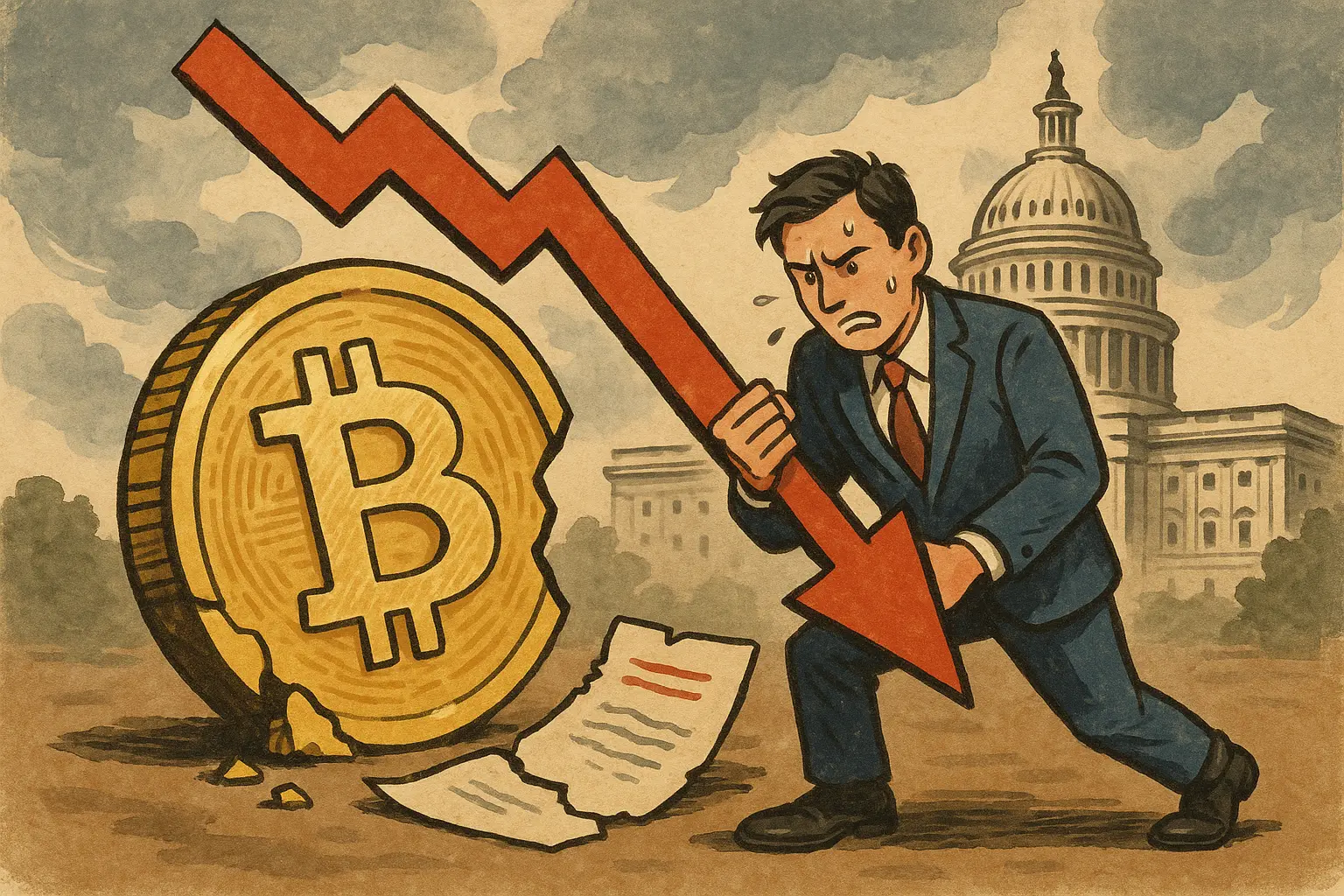
Citi’s latest report cuts the 12-month target price for Bitcoin to $112,000, a decrease of approximately 21.7%. Analyst Alex Saunders notes that the U.S. Clarity Act’s progress in the Senate is hindered, and the legislative window for 2026 is narrowing. This reduces the short-term likelihood of regulatory catalysts that could drive market revaluation.
Target Price Adjustment Range and Three Scenario Models
Citi’s target prices for two major cryptocurrencies have been revised downward by over 20%, indicating a systemic reassessment of institutional expectations for regulatory timelines.
Citi’s Bitcoin and Ethereum Three-Scenario Forecast
Bitcoin Baseline Scenario: $112,000 (previously $143,000, down 21.7%)
Bitcoin Optimistic Scenario: $165,000 (legislation passes, institutional inflows accelerate)
Bitcoin Pessimistic Scenario: $58,000 (macro recession combined with legislative failure)
Ethereum Baseline Scenario: $3,175 (previously $4,304, down 26.2%)
Ethereum Optimistic Scenario: $4,488
Ethereum Pessimistic Scenario: $1,198
This adjustment does not imply a fully bearish outlook but reflects a slowdown in the medium-term upward trajectory, with both upside and downside risks needing recalibration.
Legislative Delays: Structural Reasons for the Lack of Policy Catalysts
The Clarity Act was previously considered one of the most important regulatory catalysts, seen as key to encouraging institutional investment and ETF demand. However, its progress in the Senate is blocked, mainly due to disagreements over stablecoin regulations and partisan political struggles.
Saunders states, “Regulatory catalysts will drive further adoption and capital flows into cryptocurrencies, but the window for U.S. legislative action is shrinking this year.” The report also notes that if Democrats gain more seats in the November midterms, the likelihood of passing crypto legislation could decrease further, as intra-party disagreements persist over issues like restricting officials from profiting from crypto assets and strengthening AML regulations.
This means Citi’s valuation cuts are not only reactions to current legislative gridlock but also forward-looking adjustments for political risks.
Ethereum Faces Dual Pressures: Policy Delays and On-Chain Activity Weakness
Compared to Bitcoin, Citi’s stance on Ethereum is more cautious. The report highlights that ETH “is particularly sensitive to user activity metrics, which have recently been weak.” The valuation recovery path for ETH depends not only on policy improvements but also on actual on-chain usage, requiring stronger fundamental validation.
Citi also notes that the trend toward stablecoins and tokenization could support Ethereum’s ecosystem in the future, but short-term demand remains insufficient. This reflects a differentiated market logic: Bitcoin is more driven by macro liquidity and policy expectations, while ETH’s valuation recovery relies more on concrete fundamentals.
FAQs
Q: Why has Citi significantly lowered the target prices for Bitcoin and Ethereum?
A: The main reason is the slower-than-expected progress of U.S. crypto legislation. The Clarity Act’s stalled advancement in the Senate and the shrinking legislative window for 2026 make it difficult for regulatory catalysts that could boost institutional entry and ETF demand to materialize promptly. As a result, institutional valuation models need recalibration.
Q: What are the key short-term technical levels for Bitcoin?
A: Citi suggests that before legislative clarity, Bitcoin may consolidate around $70,000, with the market likely digesting uncertainty through sideways movement rather than a new rally. The upside target is $112,000 in the baseline scenario, while in a pessimistic scenario, it could fall to $58,000.
Q: Why does Ethereum face greater valuation pressure than Bitcoin?
A: Citi believes ETH is more sensitive to on-chain user activity metrics, which have been weak recently. ETH’s valuation recovery depends on both regulatory improvements and increased on-chain usage. In a pessimistic scenario, ETH could drop to $1,198, facing greater downside risk compared to Bitcoin.
Disclaimer: The information on this page may come from third parties and does not represent the views or opinions of Gate. The content displayed on this page is for reference only and does not constitute any financial, investment, or legal advice. Gate does not guarantee the accuracy or completeness of the information and shall not be liable for any losses arising from the use of this information. Virtual asset investments carry high risks and are subject to significant price volatility. You may lose all of your invested principal. Please fully understand the relevant risks and make prudent decisions based on your own financial situation and risk tolerance. For details, please refer to
Disclaimer.


