


Pi Network node upgrade temporarily delayed! Failure to complete by February 15 may result in permanent disconnection
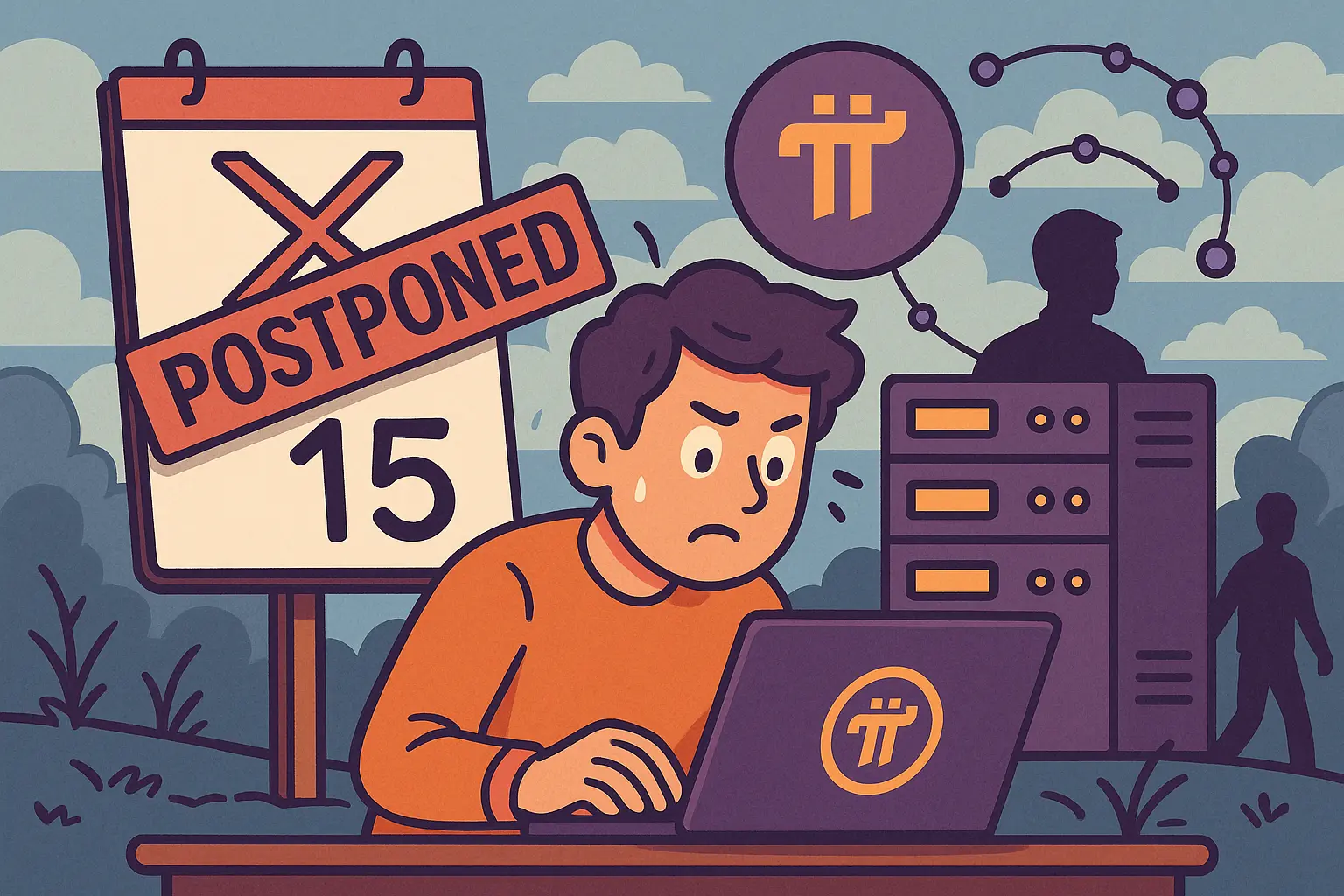
The Pi Network core team has extended the deadline for mandatory v19.6 node upgrades to February 15, after a brief postponement from the original February 12 due to network congestion and technical issues. All mainnet nodes must complete the upgrade to remain operational; nodes that are not updated will disconnect from the network. Pi Network has approximately 60 million registered users, and nodes verify transactions and maintain blockchain consensus based on the Stellar consensus protocol.
February 15 Final Deadline: The Technical Challenges Behind the Delay
Pi Network has set a new deadline for its mainnet node upgrade. The Pi core team states that all nodes must complete the upgrade by February 15, 2026. Operators who miss the deadline may lose network connectivity. Pi Coin news indicates that this upgrade is part of a larger protocol update, upgrading the system version from v19.1 to v19.6.
The team initially set the target date for February 12, but due to network congestion and technical issues, it was temporarily postponed to February 15. Although this delay is only three days, it reveals the technical challenges faced by Pi Network. Network congestion often occurs when many nodes attempt to upgrade simultaneously, overwhelming central servers or distribution networks, resulting in slow downloads or connection failures. Technical issues may include bugs in the upgrade package, compatibility problems, or errors during the upgrade process.
This delay has a certain negative impact on Pi Network’s reputation. When a blockchain project cannot meet its technical milestones on time, it raises questions about the team’s execution and technical capability. For a project like Pi Network, which has been delayed for years before launching its mainnet, any additional delay can increase user impatience and distrust.
The upgrade aims to improve network stability and prepare for future development phases. More updates will be released in the coming weeks. From v19.6 to the final v23.0, Pi Network has planned a gradual upgrade path, with each version adding new features and fixing known issues. This incremental upgrade strategy is common in large blockchain systems to reduce the risks associated with major updates.
Pi Network Node Upgrade Schedule
February 15: Mandatory upgrade deadline for v19.6 (postponed from February 12)
February 27: Release of v19.9, with new features and performance improvements
March 12: Release of v20.2, continuing toward v23.0
Q2: Expected completion of v23.0 final version, full mainnet launch
For node operators, the February 15 deadline is critical. The Pi core team has issued a warning that the mainnet node upgrade is mandatory. All mainnet nodes must complete the upgrade to stay connected; nodes that fail to update will disconnect from the network. This “all-or-nothing” policy underscores the importance the team places on the upgrade, with no exceptions.
Operators are also advised to stagger their upgrade times. This helps reduce system load and prevents sudden traffic surges. Such recommendations suggest that Pi Network’s infrastructure may have capacity bottlenecks. If all nodes upgrade simultaneously on the last day, it could cause another network congestion. Spreading out upgrades over several days can distribute the load and lower system stress.
The Critical Role of Nodes in Pi Network
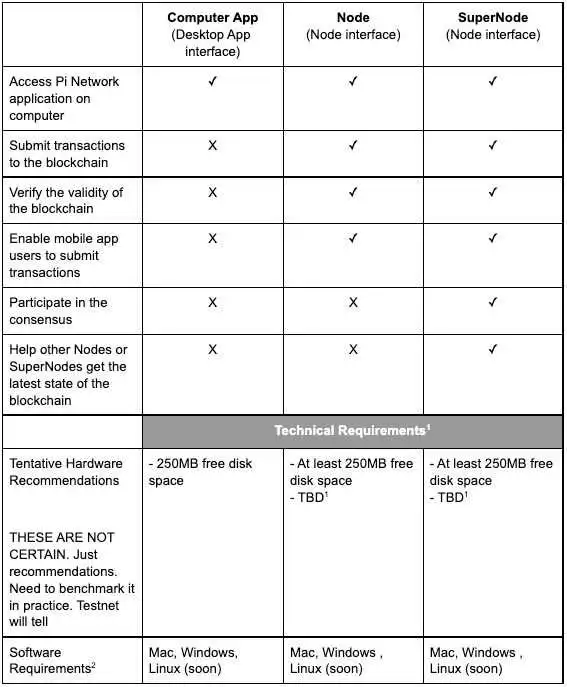
Pi nodes play a vital role in the network. They verify transactions and help maintain blockchain consensus. Therefore, synchronized upgrades are essential. The team states that this is just the first step in a multi-phase process. Each phase will bring performance and security improvements. Nodes are a key component of Pi’s architecture, running on personal computers rather than mobile devices.
During the mainnet node upgrade, their primary tasks are to maintain ledger consistency and verify transactions. Unlike some blockchains that use proof-of-work mining, Pi employs a system based on the Stellar consensus protocol. Nodes form trusted groups and reach agreement on transaction order. This consensus mechanism is more energy-efficient than Bitcoin’s PoW or Ethereum’s PoS but requires high uptime and synchronization from nodes.
Pi Network includes three participation levels: desktop app users, regular nodes, and supernodes. Supernodes handle the main consensus processes and must be online 24/7. Regular nodes assist with verification but have more relaxed requirements. Desktop app users only participate in mining and do not partake in consensus. This layered design balances decentralization with operational efficiency.
From a technical perspective, the choice of Stellar’s consensus protocol is a core feature of Pi Network. Stellar uses Federated Byzantine Agreement (FBA), where nodes select trusted peers to form “quorum slices.” As long as trusted nodes reach consensus, transactions are confirmed. This design is more flexible than traditional BFT but more complex. Node upgrades must ensure all nodes run the same version of the consensus algorithm; otherwise, network splits could occur.
For users running nodes, upgrading is relatively straightforward—usually downloading the new software version and restarting the node. However, less technically skilled users may find additional steps challenging. The Pi community has already shared numerous upgrade tutorials and scripts to help users unfamiliar with command-line operations.
The Challenge of Stability with 60 Million Users
The February 15 deadline marks the first step in the upgrade cycle. Subsequent versions will be released rapidly. v19.9 is expected on February 27, and v20.2 on March 12. Each update will add features and fix issues, aiming to improve network stability and support Pi’s gradual decentralization. The team states this process will strengthen the system before expanding the user base.
Pi currently has tens of millions of users; reports suggest about 60 million have joined the ecosystem. Growing user numbers mean the network must handle increased activity. Sixty million registered users is an impressive figure, making Pi one of the largest crypto projects globally. However, there is a significant gap between registered and active users. As mentioned earlier, only about 16 million users have completed mainnet migration, with an actual migration rate of just 26.7%.
This massive user base places high demands on the technical infrastructure. When millions of users access the network simultaneously, perform transactions, or participate in apps, the blockchain must have sufficient capacity and bandwidth. Node upgrades are crucial to ensure the infrastructure can support this scale. If node software has performance bottlenecks or security vulnerabilities, these issues could be magnified as user activity increases.
Pi community members have begun sharing guides and reminders. Many emphasize that timely upgrades are vital for rewards and long-term stability. The Pi core team also urges patience during the upgrade process. Technical issues during large network updates are normal. This community-driven support demonstrates active engagement but also suggests that official technical support may be limited, and users rely on community help.
Pi Coin news concludes that the February 15 mainnet node upgrade deadline is a key milestone. Nodes that upgrade on time will continue to stay connected as the network advances to the next phase. For users earning rewards by running nodes, losing connection means losing income. Overall, the completion rate of node upgrades will directly impact the decentralization and security of the network. If many nodes go offline due to not upgrading, the robustness of the consensus mechanism could be compromised.
Based on the timeline, the intensive upgrade schedule (February 15, February 27, March 12) suggests Pi Network may complete all technical preparations and fully launch the mainnet in the second quarter. This would be a major milestone for a community waiting for years. However, given the team’s history of multiple delays, investors should remain cautious about these timelines and be prepared for potential further postponements.
Related Articles
Pi Network Sets February 15 Deadline for Mandatory Mainnet Node Upgrade
Pi Network Issues Upgrade Reminder to Mainnet Node Operators — Key Deadline Looms
Pi Network Sets February 15 Deadline for Mandatory Mainnet Node Upgrade
Pi Network (PI) Jumps 6% — Could This Breakout Lead to More Gains?
Pi Network Enforces 2FA as Node Upgrade Deadline Nears
